
What Is Core Stability?
Core Stability is the ability to control your trunk as you move or hold a position. It involves muscles around your abdomen, back and pelvis working together. This control helps you manage movement during activities such as reaching, lifting or changing direction.
Quick Facts About Core Stability
- Category
- Movement control
- Used for
- Trunk control during activity
- Common confusion
- Abdominal strength alone
- Often discussed with
- Corrective Exercise Therapy
Key Takeaways About Core Stability
- Control and strength aren't the same thing.
- Everyday movements can put trunk control to work.
- A visible abdominal muscle isn't proof of good control.
How Core Stability Works
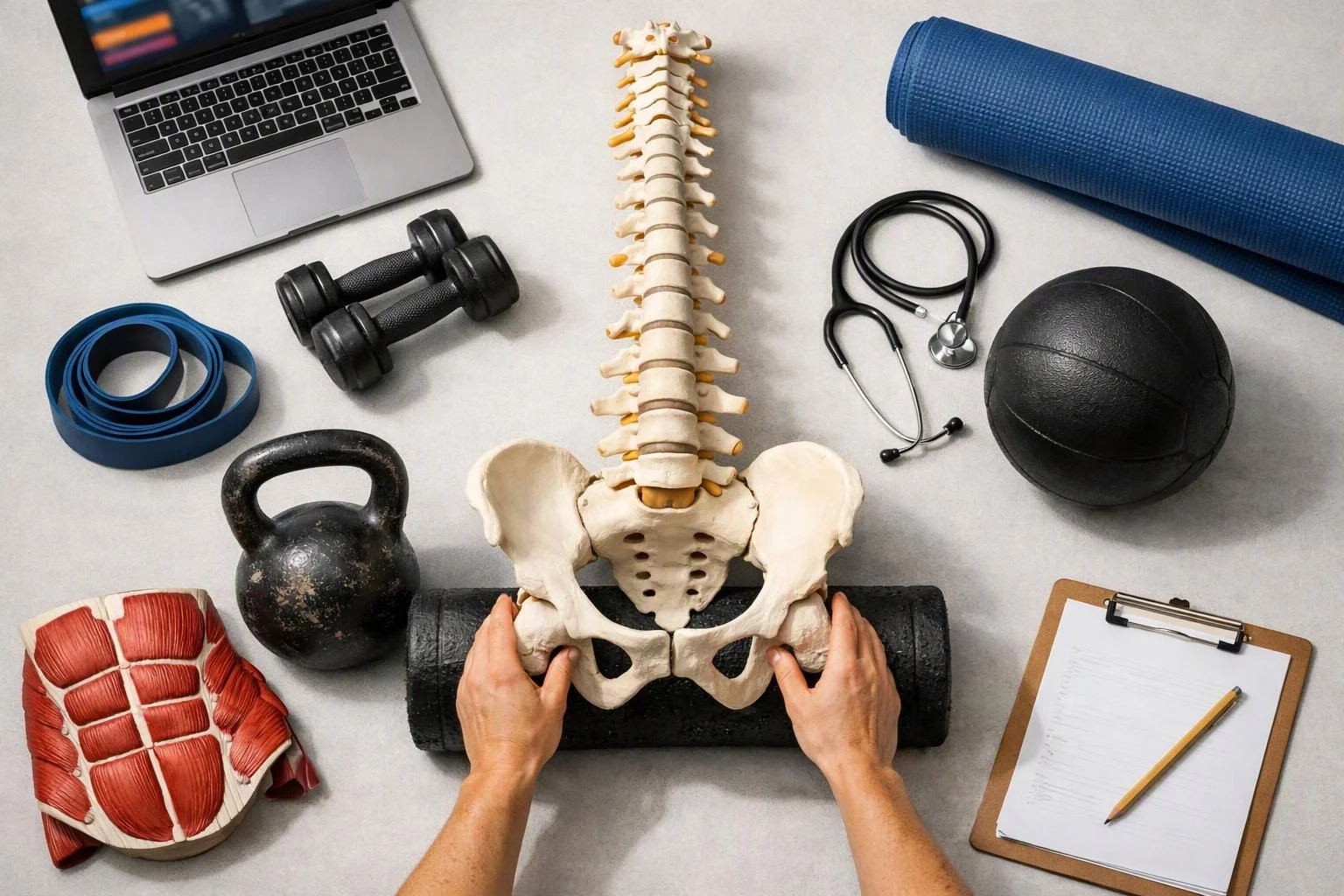
Core stability works through coordination between trunk muscles and the movements you make. Your muscles respond to the demands of a task. Reaching for a shelf, for example, calls for control as your arm moves. Related service: Corrective Exercise Therapy.
Related glossary terms: Pelvic Tilt, Range of Motion, Sacroiliac Joint.
The task also changes how your pelvis and back move. A pelvic tilt describes a change in the position of your pelvis. During an exercise, you might notice that your pelvis shifts as you lift a leg.
Control isn't the same as keeping your trunk rigid. Your trunk can move while your muscles manage that movement. The aim of an exercise may be to move your limbs while keeping your trunk steady or to guide a controlled bend.
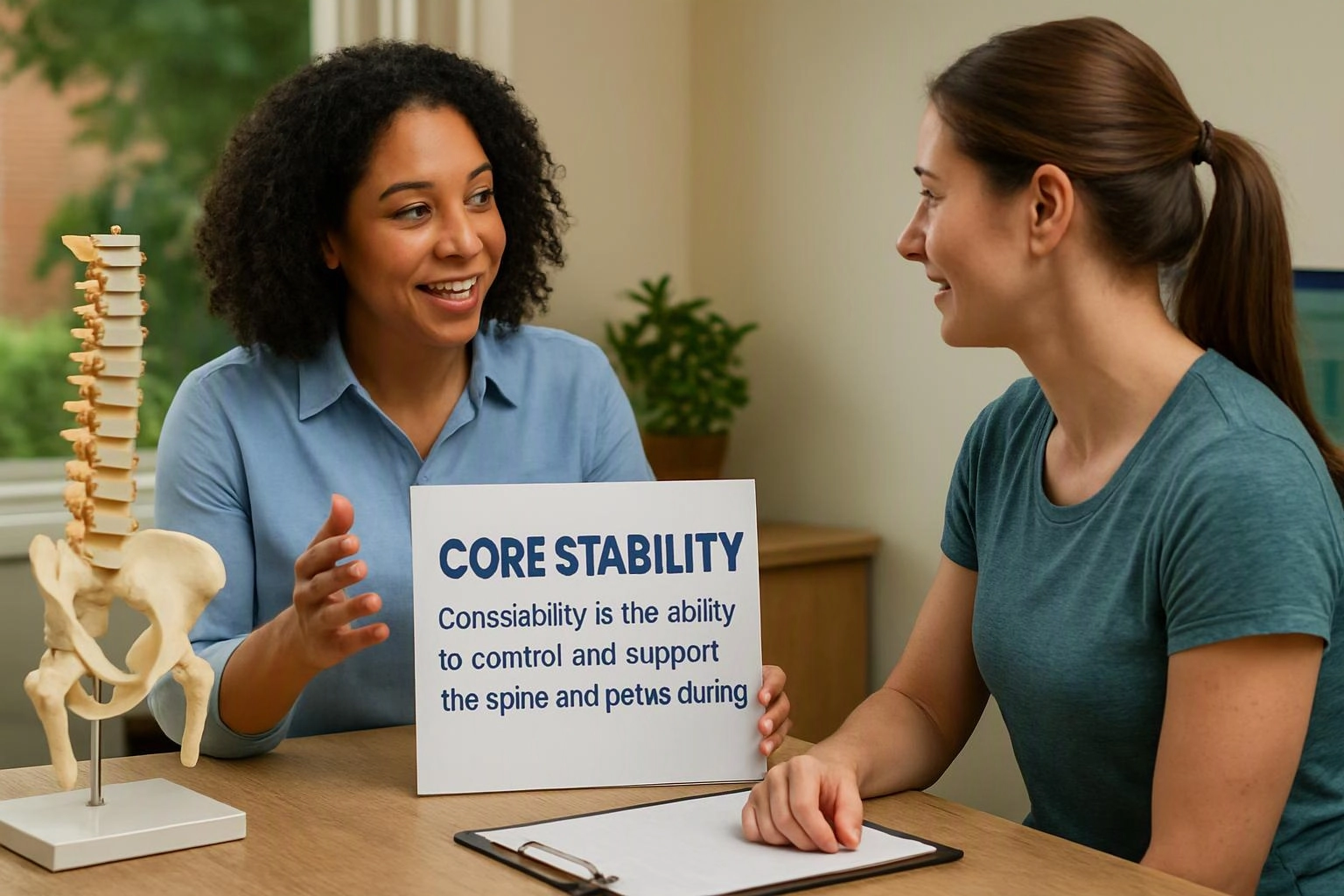
From the Arrowhead Clinic Chiropractor team
When we use corrective exercise therapy, we pay attention to how your trunk moves during an exercise. We may adjust the movement if it asks for more control than you can maintain. A smaller movement can make the task easier to follow.
Core Stability in Practice: A Real-World Example
During corrective exercise therapy, you might lie on your back and lift a leg. The exercise gives you a chance to notice whether your pelvis shifts during the lift.
Related Services
Related Terms
Pelvic Tilt
A pelvic tilt is a position or movement of the pelvis in relation to the spine and hips.
Range of Motion
Range of Motion is the amount of movement available at a joint in a particular direction.
Sacroiliac Joint
A sacroiliac joint is a joint that connects the sacrum, the bone at the base of your spine, to your pelvis.
Arrowhead Clinic Chiropractor
Have Questions About Core Stability?
Contact Arrowhead Clinic Chiropractor for practical guidance on Core Stability and related chiropractor work in Brunswick.